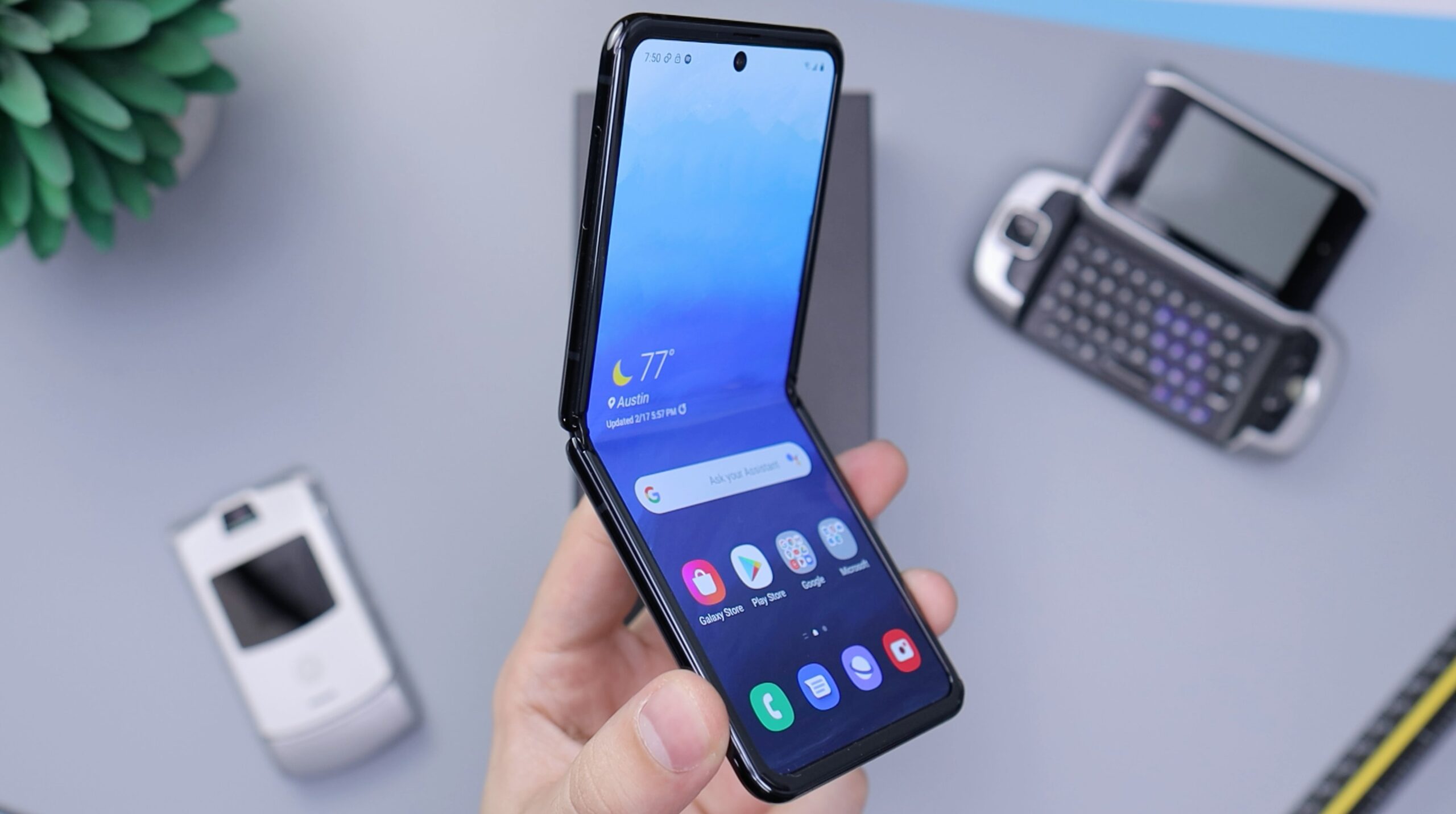
For years, foldable phones felt like a futuristic gimmick — flashy, fragile, and eye-wateringly expensive. But in 2025, the narrative is starting to shift. As the hardware matures and software adapts, foldables may finally be moving from novelty to necessity — or at least serious consideration.
So, what’s changed? And why might foldable phones actually make sense for everyday users now?
1. Hardware Has Caught Up to the Vision
Early foldables were riddled with issues: creaky hinges, delicate displays, and strange aspect ratios. Fast forward to today, and the tech is catching up:
- Hinges are smoother, more durable, and dust-resistant (shoutout to Samsung’s Flex Hinge and Google’s Pixel Fold design).
- Displays are brighter, less plasticky, and better protected thanks to ultra-thin glass and improved coatings.
- Battery life is no longer a deal-breaker, with foldables now lasting a full day under normal use.
These devices feel less like prototypes and more like polished consumer tech.
2. Multitasking That Actually Matters
Foldables shine when it comes to productivity:
- Split-screen apps are more usable with larger screen real estate.
- Floating windows, drag-and-drop, and stylus support (on some models) make foldables mini-tablets in your pocket.
- Whether you’re responding to emails while watching a video or referencing a document during a call, the workflow boost is real.
This matters for professionals, creatives, and even casual users who want more than just scrolling Instagram.
3. Entertainment Is Better on a Bigger Screen
Bigger displays aren’t just for work — they’re also great for fun. Foldables transform into mini cinemas or gaming tablets:
- Netflix, YouTube, and games all benefit from the immersive screen size.
- Some models support high refresh rates and Dolby Atmos, enhancing the media experience even further.
It’s like having a tablet, without having to carry a tablet.
4. You’re Getting Two Devices in One
Instead of carrying a tablet and a phone, you now have one hybrid device. While foldables aren’t cheap, their dual-functionality offsets some of the cost — especially if you’re someone who already owns both device types.
Some models like the Samsung Galaxy Z Fold 6 or OnePlus Open even replace laptops for light users, thanks to DeX-like desktop modes and Bluetooth keyboard support.
5. Apps and OS Are Finally Fold-Aware
One of the major past frustrations was that apps weren’t optimized for foldables. But that’s changing:
- Android 14+ includes better native support for foldables and large screens.
- Developers are catching on — from Gmail and Chrome to TikTok and Spotify, more apps offer adaptive layouts that use screen space effectively.
The software experience finally feels built for foldables, not just stretched to fit them.
So, Should You Buy One?
Foldables still aren’t for everyone. If you’re budget-conscious or prefer a super compact phone, stick with the slab. But if you value versatility, multitasking, and innovation, 2025 might be the year a foldable actually makes sense — not just as a toy for tech nerds, but as a serious upgrade.
Prices are slowly dropping, durability is improving, and real-world use cases are expanding. For the first time, foldables aren’t just for showing off. They’re for getting things done — and doing them in style.
Your Thoughts?
Have you tried a foldable yet? Thinking about switching? Drop your experiences or questions in the comments — let’s geek out together.